I don't know about you, but today sport punched me in the stomach. Nirmal Purja, Nims Dai for those of us who followed him, has died in an avalanche on Broad Peak (Pakistan) along with at least three other climbers. He was 43 and was one of those names that transcend their discipline: the former Gurkha who in 2019 knocked off all fourteen 8,000-meter peaks in six months and six days, something no one had done before, and who in 2021 was also the first to summit K2 in winter. His Netflix documentary, "14 Cumbres: Nada es imposible", blew half the world's mind, including yours truly who has never gotten past cycling up the local mountain pass.
The expedition lost contact with base camp on Thursday and rescue teams have been at the mercy of terrible weather. So far they have recovered three bodies (a Nepali, an Omani, and an American) and the search for the rest continues. News that hurts twice as much because Purja wasn't just anyone: he was the face of modern mountaineering, the one who proved that the human body can do things that seemed like science fiction.
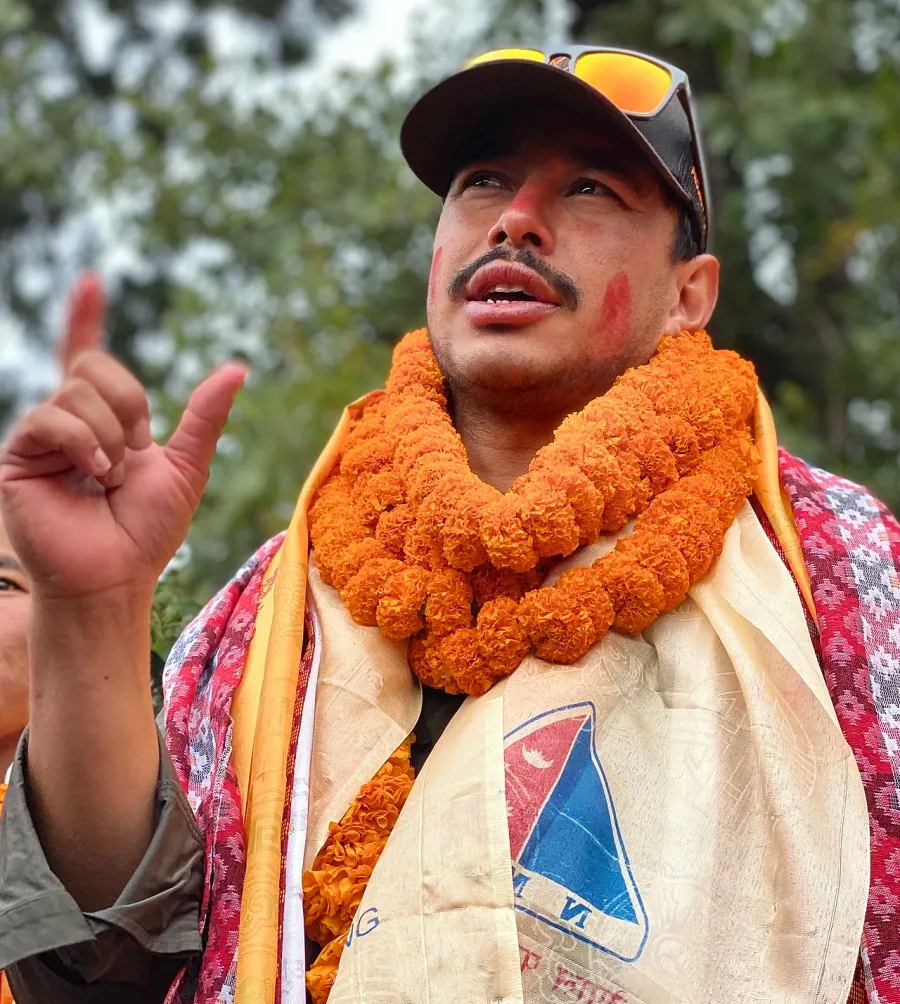
1 / 2
Photo: Gwrthanesh / Iamthanes · CC BY-SA 4.0
Now comes the usual debate, and forgive me because I know it's a sensitive moment, but it's inevitable: how much blame does the system itself bear for these deaths? Because let's not fool ourselves, Broad Peak at this time of year, with the ice that's falling, is Russian roulette. And I can't help remembering the controversy that always followed Purja: his record of the 14 eight-thousanders was done with the help of helicopters to skip sections and with bottled oxygen. That earned him as many fans as critics.
Mind you, this isn't about disrespecting the dead. It's about the fact that every season more mountaineers die in the Karakoram and the Himalayas, and 8,000-meter peak tourism grows unchecked. Massive expeditions, permits for money, climate windows getting shorter and shorter due to climate change... The mountain doesn't forgive and Broad Peak has just proven it again.
The saddest part is the irony: Purja died on the mountain that gave him life, literally. Broad Peak was the first of his 14 summits in that magical year. He leaves at 43, in peak physical condition, and leaves a legacy that even critics can't dispute: he paved the way for a generation of Sherpas and Nepali climbers who now lead commercial expeditions. His own company, Elite Expeditions, was one of those that took the most clients to the summit.
Did you know this about his record?clic para revelar
And now the question I'm putting to you, which I know is going to